






Tour attendees experience an ‘outdoor classroom’ space featuring boulder seating and native trees at Mary Jackson Elementary (Photo – Annie Pai)
Some of the ‘greenest’, most water-wise schoolyards in the region were featured during a tour of PUSD campuses.
By Wesley Reutimann
On a warm fall morning a group of Pasadena Unified School District (PUSD) parents, city staff, landscape professionals, and school administrators came together to explore some of the greenest campuses in the Pasadena Unified School District. Organized by the PUSD Green Schoolyard Coalition, the free community tour featured stops at three sites: Mary Jackson Elementary School, Washington Elementary School, and John Muir High School.
Stop #1
– Mary W Jackson STEAM Multilingual Magnet Elementary
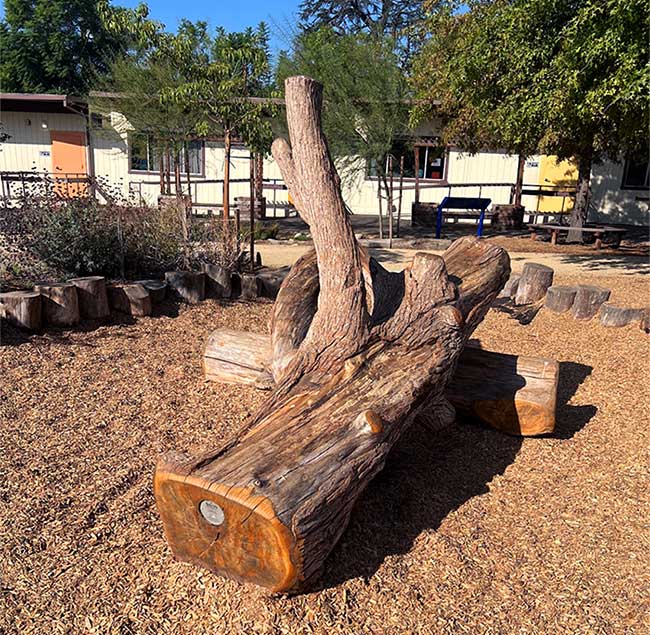
Natural log play equipment at Mary Jackson Elementary School (Photo – Annie Pai)
At Mary Jackson Elementary School, the group was met by Principal Veronica Villagrana and PTA Facilities Chair Laura MacPherson. Over the past five years the playground has received transformative updates. The school’s formerly all-asphalt play yard now features outdoor classroom spaces with boulders, dozens of new native trees and plants, informational signage, log seating, natural play equipment, wood chips, and permeable paths and bioswales to capture and clean stormwater.
Parent and PTA Chair Laura shared that other Jackson parents (notably Brooke Kind) played an instrumental role in making the greening work possible. The school community worked hand-in-hand with Altadena-based non-profit Amigos de los Rios to secure competitive funding to support many of the changes. Claire Robinson, Amigos’ Executive Director, stressed that the project started small, with a low point on the campus initially receiving a bioswale and native plant makeover to help mitigate an annual stormwater flooding issue. After the success of this first step, the collaborative partners pursued larger grants to fund asphalt removal and the purchase of high-quality, natural play equipment. This funding was matched by thousands of volunteer hours by students, parents, and community members.
While there were some initial concerns about the safety of logs and boulders versus traditional plastic play equipment, Principal Villagrana stressed that school staff had not experienced any increase in incidents from student use of the new spaces. On the contrary, the natural elements and contours of the reimagined play yard were among its most popular features now, providing students countless opportunities for creative play, recovery, and refuge from academic stresses.
Stop #2
– Washington Elementary STEM Magnet School
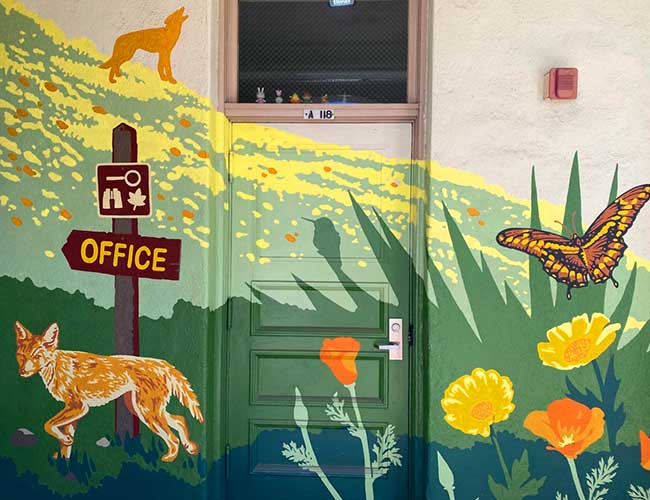
A mural featuring California native flora and fauna greets visitors to the front office of Washington Elementary School (Photo – Wes Reutimann)
The first sign that Washington Elementary has a green thumb appeared when the group stepped inside the campus’ front office and were greeted by a mural of flora and fauna native to California. The beauty of the wrap-around mural, installed by Mustard Beetle in 2023, was only matched by the energy of Dr. Sydney Minckler, a Special Assignment Teacher tasked with overseeing the campus’ agriculture, habitat, and culinary science programs. Dr. Minckler guided guests to the interior of the campus, home to the Washington Elementary Community Garden. Brought to life by Pasadena Audubon, the tranquil courtyard features native plants, informational signage, solar-powered bird baths, and a meandering pathway.
Next the group headed to areas of the sprawling Washington campus that are still a work in progress. The school is one of six PUSD sites funded for greening improvements via a 2023 California Department of Forestry and Fire Protection ‘Green Schoolyards’ grant coordinated by Amigos de los Rios. Thanks to the new funding, project staff and volunteers constructed 24 raised planter beds that students utilized to grow fresh produce in October, for a complementary food sciences program.
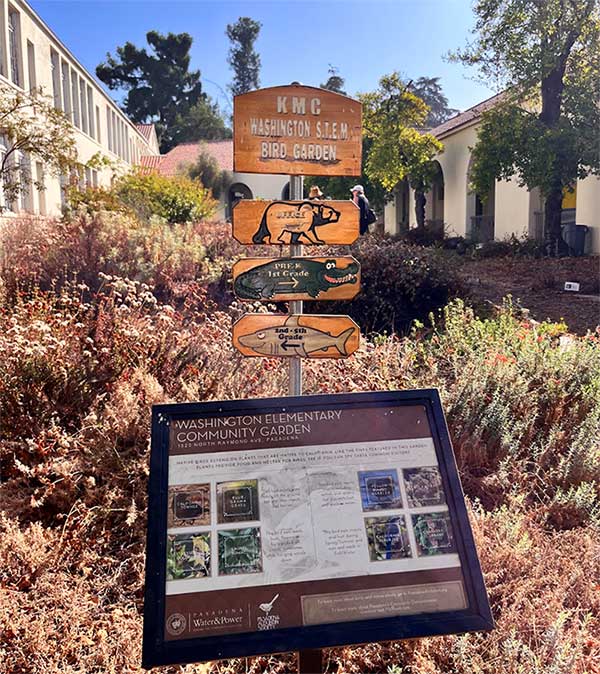
Informational signage for the Washington Elementary Community Garden (Photo – Annie Pai)
In the coming months the site will receive a state-of-the-art hydroponic lab to further support the school’s urban agriculture programming. Native trees are scheduled to be planted this school year to increase the campus’ shade canopy eventually reaching 25% coverage of accessible, comfortable spaces for students and staff.
Greener schoolyards are an evidence-based strategy to mitigate the impacts of heat. In addition to shading surfaces below, trees release water into the air, helping bring down air temperatures further. With more heat forecast for our future, research on the subject indicates that such improvements will benefit students’ physical fitness, academic performance, and mental health, as well as capture stormwater, sequester greenhouse gasses, and support local biodiversity.
Stop #3
– John Muir High School Early College Magnet
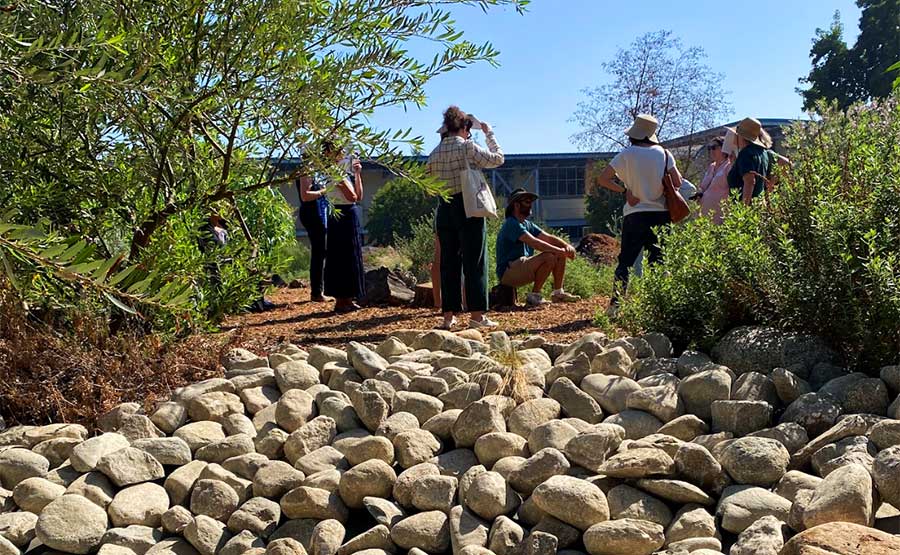
Tour participants at the ‘Muir Farm Lab’, which includes a school farm and bioswales to capture and clean stormwater (Photo – Wes Reutimann)
The final tour stop was ‘Muir Farm Lab’, the long-standing urban farming program currently led by Jill McArthur, Farm-to-School-Field Coordinator for PUSD. The space provides students an opportunity to help grow and harvest a wide variety of produce. Recently, the ranch added a certified ‘Schoolyard Habitat’ to its greening portfolio. Featuring a dry river bed with bioswales to capture stormwater, dozens of native plants and trees, and Hügelkultur – a traditional planting process that involves burying compostable plant materials to create a natural, raised bed – the new space is designed to support soil health, water retention, and biodiversity.
Under the guidance of Amigos de los Rios and with the support of local volunteers, schoolyard greening efforts are scheduled to continue at the three tour sites, and at Willard, Altadena, and San Rafael Elementary Schools, in the next few years. The efforts are sorely needed. Most public schoolyards remain dominated by heat-absorbing asphalt and are short on trees and shade. With the number of extreme heat days expected to triple in the next thirty years, the process of greening campuses is becoming more important with each passing year, especially for disadvantaged and low-income communities that disproportionately suffer from urban heat islands and the local effects of climate change.
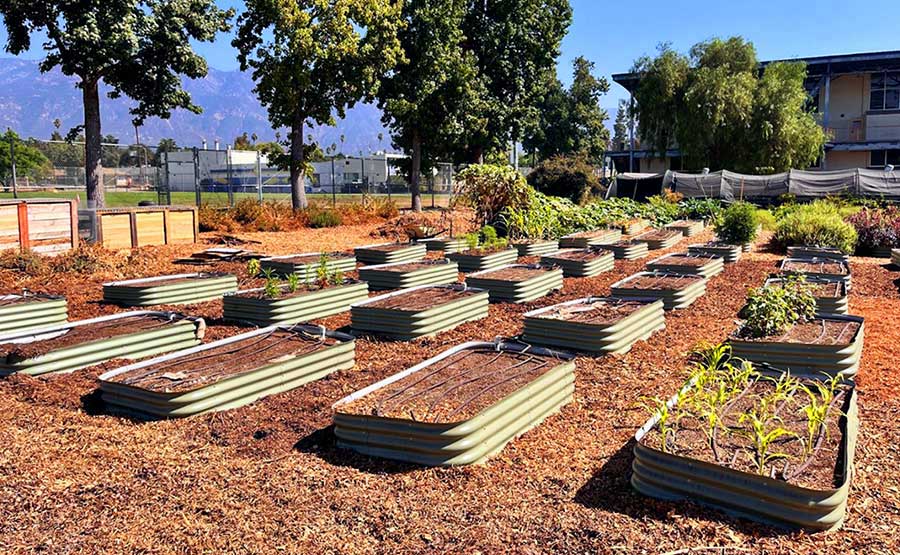
Raised beds at John Muir HS (Photo – Wes Reutimann)
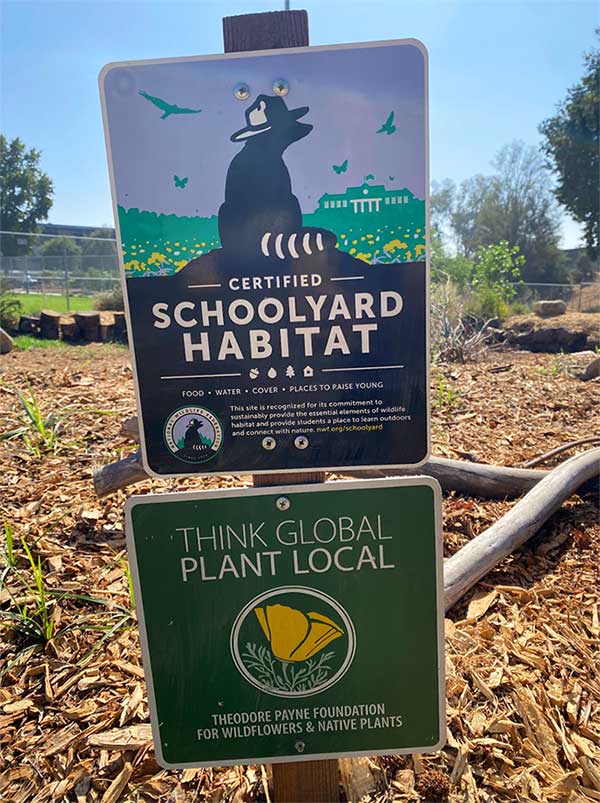
Muir Ranch is also home to a certified schoolyard habitat with native plants and trees (Photo – Wes Reutimann)












Leave a Reply