








New construction on Maiden Ln and Calaveras in Altadena (Photo – W.K.)
Many are thinking that we are safe from fire for another 30 years now that so many structures have burned. Unfortunately, they are wrong.
By Mala Arthur
Extreme weather is driving longer, more frequent and harder Santa Ana winds and drought is more extreme, so any spark from a metal-blade weed cutter, a power line or a fire pit could start a house-to-house fire that could devastate structures anywhere. During a wind-driven fire, thousands of embers may shower your home.
Advanced preparation can alleviate stress about our danger, and can save lives and potentially save structures.
Evacuation
The most important step is to make sure that you and all living beings in your home can evacuate safely, even if there is not much warning.
Have knowledge — sign up for alerts from LA County, your local city, and emergency responder apps such as Pulse Point. If you don’t know that there is danger, you can’t react. Note that these notifications depend heavily on technology which likely will not work when the power is out and/or cell service is down. Your backup is to get acquainted with your neighbors and to communicate with them about dangers, responses and cooperative responses.
Get together your most important items — such as drivers licenses, passports, social security cards, birth and marriage certificates, house title, copy of insurance policy etc. Some people keep these together in a “go bag” near their door, some people consider that to be risky and instead write a list with location of each item noted. Good idea to include medications, medical contacts, credit cards, cash, several changes of clothing or underclothing for each person, snacks and water. Also include items for pets. Masks for all and heavy gloves are recommended in case you need to move fallen items or walk.
Train pets — to go into carriers or be leashed in a constrained area so when it’s time to pack for evacuation you can safely and quickly take them into your vehicle.
Technology — plan to take at least your backup drives. If you have time, take your computers, tablets and phones, including cables and charging “bricks”. Know where they all are. Know how to open your garage door when the power is off, and how to close it again.
Routes — know what the possible evacuation routes are from your home. Drive them ahead of time if possible, or walk them. Remember that when you are evacuating it will likely be dark, smoky, windy and there will likely be obstacles such as downed trees, power lines, or pieces of burned items. Having a paper map of your area in each vehicle can provide information when cell service is down (likely in an emergency).
IF you have extra time before you need to leave (2 hours or more), there are things you can do quickly that will help your house have a better chance of surviving.
Gather flammable items from outside your home, especially from the 5’ closest to the walls of your house. Include patio furniture, doormats, trashcans, umbrellas, plastic plant pots, shade canopies etc. Put these items into your house or garage, or at least 30’ from your house before you leave. Include in this move any propane tanks, BBQs, gas cans, camping stoves and fuel canisters etc. Turn off your house natural gas at the meter.
Put a non-combustable ladder against your house in a visible location and leave it for firefighters. Use the ladder to quickly blow the leaves and needles off of your roof, especially in the joints and gutters, and locations where the roof angle changes. Be sure to sweep or blow the debris off the ground around your house afterwards and put into trash can or in a container inside.
Attach hoses to hose bibs, put a spray head on the end. Leave the water on at the bib but off at the end, pull the hose out to be visible for firefighters if they need to use the water. Do not leave sprinklers on as they can reduce water pressure for firefighters.
Inside the house, shut and latch all windows and doors including pet doors, and any vents including fireplace damper. Shut off heating and AC. Remove flammable window shades and curtains, move flammable furniture away from windows and glass doors. Remove flammable window screens (plastic) and store inside. It’s recommended that you leave a note inside for emergency responders in an obvious place that lists the people who are evacuating, the vehicle(s) they are in with license number, and the intended destination if known.
Things you can do before there is a fire
Do a home inventory well before fire has started. You can do this using software or online resources from your homeowners insurance company (contact them), or just use your phone to video each room in your home, opening drawers and cupboards and narrating what the contents are. Don’t worry if things are messy. The purpose is to remind you of items that you owned, in case the worst happens to your home.
Backup your important files, including taxes, to a location not in your home. Online resources are available, or if it’s more comfortable, back up to a physical external drive of some sort and store that at a different location.
Make sure Insurance will cover the costs: talk with your insurance agent each year about your coverage. If your home were destroyed, how much money would be available to rebuild? What if it were damaged? Find a reputable building company and have them estimate the cost to replace your home, or to repair damage. Get the estimate in writing. Talk to your County Building and Safety staff about code also. If necessary, return to your insurance company to change your coverage.
Changes to make to your house to keep it safer
Easy changes to make, at little to no cost are:
- keep your roof swept or blown off, especially crevices, crannies and rain gutters
- move plants and flammable items away from the walls of your home
- clean pine needles and duff from all areas 5’ around your home and other structures
- trim the dead branches and leaves from the plants within 50’ of your home (or as much space as you have) and dispose of; separate lower-level plants from trees by trimming
- keep plants around your home watered
- take out plants known to be very flammable such as juniper, palms, bougainvillea
- clear all materials from under your deck, including leaves and duff
- place 1/8” wire mesh around the area under your deck so embers can’t get underneath
- store firewood far away from your house OR use an ember-resistant tarp over it
- if you have wood gates, remove them prop the gates open all of the time
- install vertical metal flashing where the wood deck meets the house, with at least 12” above the deck level
- store flammable fuels and devices (lawnmower and gas, etc) far from structures
- remove highly flammable materials from the attic (such as paper, clothing etc)
Budget to do when you can:
- replace fences, gates and decks with non-flammable materials
- replace vinyl screens on windows and doors with metal screens
- replace plastic rain gutters with all-metal rain gutters
- use rocks (best) or decomposed wood chips (not bark or rubber) for mulch in planters near structures after removing previous mulches
- install ember-resistant attic and basement vents, or use 1/8” wire mesh
- create metal or heavy plywood covers for each vent and each window which can be installed as a wildfire is approaching (be sure to label them and include all hardware needed to install quickly)
- design plantings and item storage next to house to be non-combustable or at least ember-resistant
- keep evergreen (juniper, pine etc) plantings and wood piles away from windows
- replace plastic plant pots with clay or other materials unlikely to melt
- put caulk in siding gaps, gaps between eave blocking and siding and gaps between deck boards to prevent embers from lodging in gaps
Long-Term Things to do:
- replace plastic skylights with double-pane glass skylights (with the outer pane tempered glass)
- replace single-pane windows with double- or triple-pane windows with at least one pane of tempered glass, be sure that window frames are not vinyl (which may melt when exposed to heat)
- replace flammable siding with non-flammable or treated materials
- be sure to maintain in good shape, or replace your roof with rated, fire-resistant roofing material, such as asphalt composition shingles, metal, or concrete or clay tile. If you choose clay tile, be sure to block the open ends of the tiles with cement or “bird blocks” to avoid having duff accumulate there, and to avoid ember entry
Some studies have shown that boxing in your eaves can make a difference. If you want to do this, be sure to use a non-flammable, or ember-resistant material.

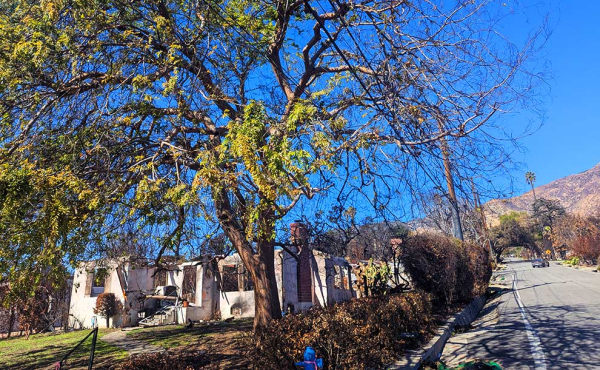











More flammable stick-built structures built with flammable petroleum products. Thanks to County building code requirements, we can’t have sustainable, fire-resistant cob. Such a shame.
Love how this assumes firefighters will actually come to your house.
It took me a while to get here, but I now understand that when 10,000 structures are burning, the odds that a firetruck will be anywhere near your house are quite low. Prepping anything for “them” is useless.
Especially when it appears that County Fire’s strategy is to order personnel to stay in their trucks and not assist when things start to heat up.
Also everybody runs out of water when dozens of homes are on fire. It’s not about reservoirs being empty or roofs on cisterns burning in— it’s about every pipe in each of those dozen homes gushing water into the burning footprint.
Don’t worry about saving water for firefighters— you’ll be there before they are.
I did each and every thing listed in this article. My house burned down, anyway.
We need sirens on poles. We need phone trees and citizen-led evacuation plans. Every pool owner should have a portable gas-powered firefighting pump with a hose.
We need citizen-led firefighting brigades and block-owned water tender trucks.
Your documents and medications will be replaced easily after a fire.
Grab the irreplaceable heirlooms, your kids and your pets.