






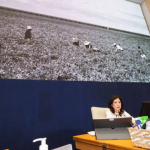

 Consumers are demanding safer and healthier food, as they want to know the ingredients in their food products, and how that food was grown.
By Laura Batcha*
Consumers are turning to organic because they know that the U.S. Department of Agriculture organic label ensures food that was grown and made according to the strictest government standards of any in the agricultural sector.
- There are 18,000 hardworking American organic farmers, ranchers and food-makers.
- They adhere to stringent federal requirements to grow food without the use of toxic and persistent pesticides and GMO.
- They raise animals without antibiotics and hormones
- They process food without preservatives and artificial colors.
Are organic foods unsafe?
The organic industry is regulated by a comprehensive network of federal requirements and regulations from the farm gate to the dinner plate that is administered by the National Organic Program under the auspices of the USDA.
The regulatory system governing the organic industry from its beginnings has been:
- Rigorous
- Transparent
- Open process
- Encouraging public scrutiny, comment and engagement.
On top of that, organic food handlers have to follow all the same safety regulations as that of conventional food handlers.
Benefits of organic
Organic production systems encourage a healthy environment with as few inputs as possible. Numerous studies have found that organic foods and crops have a host of advantages over their conventional counterparts.
A recent landmark study published in the “British Journal of Nutrition” found that organic foods and crops have:
- More antioxidants
- Fewer heavy metals
- Fewer, less frequent pesticide residues.
Organic agriculture benefiting all
The mission of the organic industry is to produce food that is the healthiest and safest for humans and the environment.
Organic agriculture can benefit all. The intent of the organic industry is not to denigrate conventional agriculture but to work to improve our food and agricultural system to be the best it can be for the environment and for the planet as a whole, to move all agriculture forward towards increased sustainability. Consumers will continue to drive these trends and demand the food system respond.
The future of food and agriculture looks a whole lot more like organic, not less.
*Laura Batcha is the executive director of the Organic Trade Association in Washington, D.C. She can be contacted via email.












Leave a Reply