






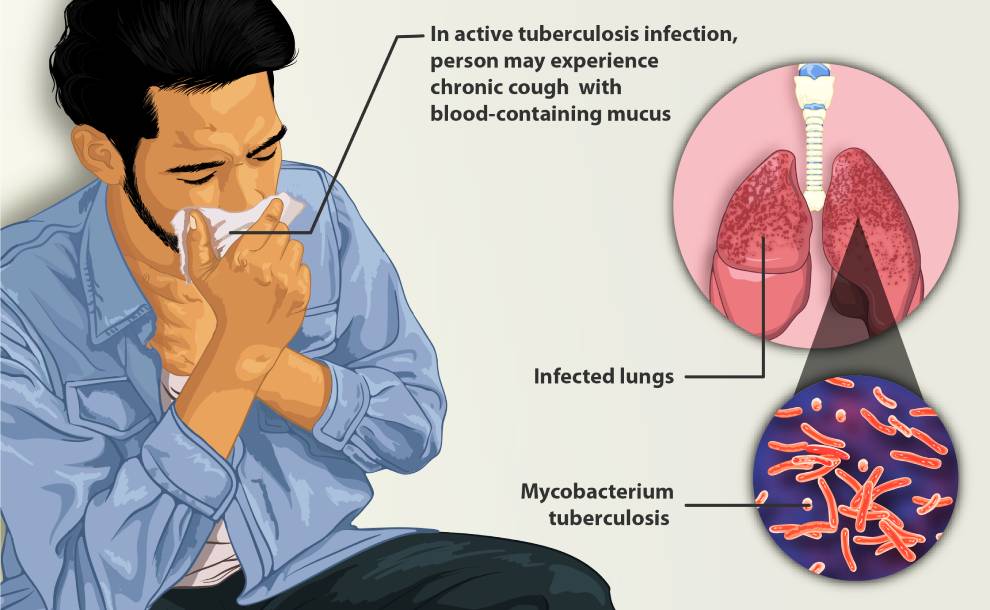
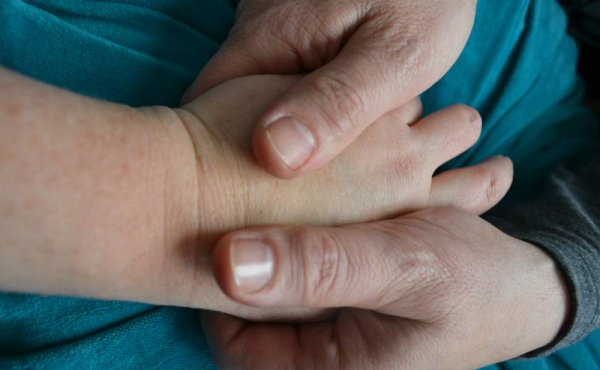
Depiction of a tuberculosis patient (File Photo – myupchar)
The Los Angeles County Department of Public Health has reported a concerning rise in tuberculosis (TB) cases in its newly released 2025 Tuberculosis Surveillance Report. The county recorded 554 cases over the past year, a 3.4% increase and the highest number of infections since 2016.
By News Desk
Health officials warn that this upward trend—combined with reductions in sustained public health funding—could reverse years of progress in controlling the disease. Without adequate resources, more cases may go undetected, increasing the risk of community spread and leading to more severe illness from a disease that is both preventable and curable.
Tuberculosis, one of the world’s deadliest infectious diseases, spreads through the air when a person with active TB coughs, speaks, or breathes. It can also spread silently, as many individuals do not initially experience symptoms and may unknowingly infect others. In some cases, TB remains dormant—known as latent infection—for years before becoming active, contagious, and potentially life-threatening.
Public health experts emphasize that, although TB is treatable, recovery requires months of consistent care. Interruptions or delays in treatment can prolong infectiousness, leave cases undiagnosed, and enable further spread within the community. In such situations, the disease may also become more severe and harder to treat.
Officials stress that continued investment in early detection, treatment, and patient support is critical to preventing future outbreaks. Addressing TB early not only protects individuals but also reduces the likelihood of costly hospitalizations and widespread transmission.
The report also highlights disparities in TB cases across the county. Approximately 90% of reported cases occur among individuals who identify as Asian or Hispanic, and 87% involve people born outside the United States. Health authorities attribute these patterns to differences in exposure risk, particularly in regions where TB is more prevalent and in environments where people spend extended periods in close indoor settings.
Additionally, individuals with underlying health conditions, such as diabetes, face a higher risk of developing active TB after exposure, often resulting in more severe outcomes.










Leave a Reply