





OPINION

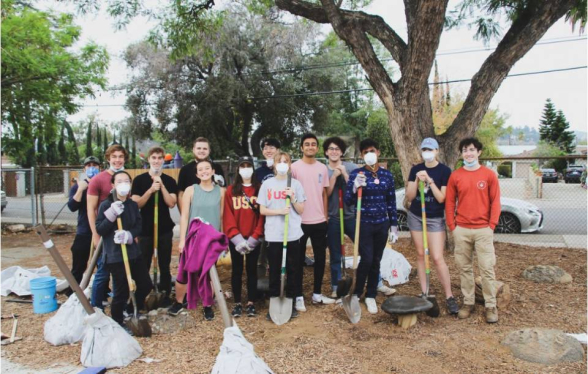
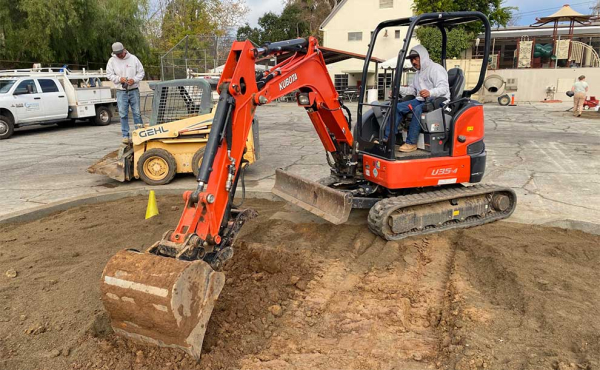
(Photo – ASGV)
Imagine you lived in a region with some of the worst air pollution in the United States. Imagine that the primary source of this pollution was diesel and gas-powered vehicles. Imagine that the public health science was very clear that this air pollution caused or worsened a host of life-altering ailments, including asthma, heart disease, stroke, and some cancers.
By Wesley Reutimann
Imagine that the number one source of climate pollution in California was the transportation sector, accounting for more than 50% of emissions. Imagine that the local impacts of climate change – including more extreme heat, wildfires, and drought – were making it harder to meet federal air quality standards.
Imagine that adding lanes to congested highways did not improve travel times in the long run – but just resulted in more vehicle trips, more vehicle pollution, and more greenhouse gas emissions.
A current reality
Sadly all of this is our current reality. Yet LA Metro and Caltrans remain dead set on adding more lanes to local highways, including the 5, 10, 60, and 605. These highways pass through some of the most pollution-burdened communities in the United States. The last thing residents of cities like Alhambra, Baldwin Park, and El Monte need is exposure to more highway pollution.
Anyone who drives local highways knows potholes are commonplace. Caltrans and Metro have proven themselves unable to keep up with basic maintenance of our existing highway system. Why should billions more be spent to add lanes, when we cannot even take care of the ones we already have? Even the transition to EVs won’t solve these issues. Heavier, battery-powered vehicles emit more tire and brake dust, other dangerous forms of air pollution, and wear roads down faster.
The path forward is clear
If we care about our health, finances, or future, the path forward is clear. The first step is to stop digging. We cannot invest more funding in false solutions. The second step is to align our spending with our air quality, health, and climate goals. Now is the time for our elected officials to exert some leadership.
Metro Board Members can adopt a policy to stop further highway expansions in Los Angeles County and reinvest Measure R and M sales tax funding to repair potholes, realize more frequent transit service, hire more safety staff, and invest in greener, more multi-modal streets for everyone. State legislators can direct Caltrans to flex 50% of federal highway funding to realize long-overdue, regionally-significant transit and active transportation projects, including electrifying regional rail service such as Metrolink, moving tracks inland where they’re currently crumbling into the Pacific, developing Bus Rapid Transit services such as the proposed Hill-to-Sea line, and completing regional active transportation facilities such as the SGV Greenway Network. Federal legislators can update a decades-old funding formula that has directed 80% of federal transportation spending towards highways, and only 20% to transit.
Time to exit
Another lane or two will not solve anything. Southern Californians witnessed this firsthand when the 405 was widened over the Sepulveda Pass. That project cost taxpayers over $1.6 billion, 55% more than budgeted, not counting ongoing maintenance costs, let alone the costs to our air quality, health, and climate. Now is the time to exit. Now is the time to invest in our future, not in the past.









Leave a Reply