






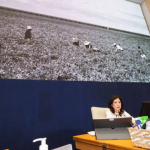


Grapevine Arbor (Photo – sangabrielcity.com)
As readers are undoubtedly aware, housing affordability and homelessness continue to be major challenges statewide and in the many San Gabriel Valley cities.
By Scott Phelps
In order to get at the facts, we recently surveyed new housing statistics in selected cities in the Western San Gabriel Valley, including Alhambra, San Gabriel, Rosemead, El Monte, Temple City, Pasadena, South Pasadena, and Sierra Madre. Each of these cities is required by the State of California Department of Housing and Community Development (HCD) to have a Housing Element as part of their General Plans that lays out specific numbers of additional housing units during the 2021-2029 time period. We asked for this data for the years 2021, 2022, and 2023. Our request specifically asked for new housing that has been developed (or approved to be developed) not just for the so-called market rate (i.e., where affordability is typically not an issue) but in the more challenging Moderate, Low, Very Low, and Extremely Low income categories. These income categories are indexed to median Los Angeles County incomes.
Previously, we reported on the housing data we received from the City of Rosemead. In this article, we summarize the data we have received from the City of San Gabriel.
San Gabriel’s response was incomplete in significant ways. It did not provide information on the extent of the City’s land holdings that could be used for housing. We will follow-up and report if we do receive this data in the future.
Based on data from the US Census, median per capita income in the City of San Gabriel is around $84,000. While this is considerably higher than in other nearby cities (for example, it is around $26,000 in Rosemead), housing affordability challenges also exist in San Gabriel.
Based on the data provided to us, the City has had zero housing added in the Extremely Low and Very Low and Moderate income categories in the last three years. The City reports that it has added 11, 59, and 64 units in the Low income category for the 2021 through 2023 years, respectively. However, the vast majority of these are ADUs. The City claims that most ADUs fall into the Low income category – but no actual data on the incomes from residents who live in these ADUs was provided to justify the classification as Low income. To complete the picture, the number of units added in the Above Moderate or market-rate category were 1, 23, and 5, respectively, in 2021-2023.
Based on the commitments made by San Gabriel in its Housing Element, we are of the opinion that housing production rates in the City are unlikely to meet the requirements of the Housing Element. As such, we will be following up with the City of San Gabriel to inquire about its basis for classifying most of the ADUs as Low income as well as its plans to catch-up to its Housing Element goals. We will also ask the City about land and developer contacts, material that was available but not provided.













Leave a Reply