






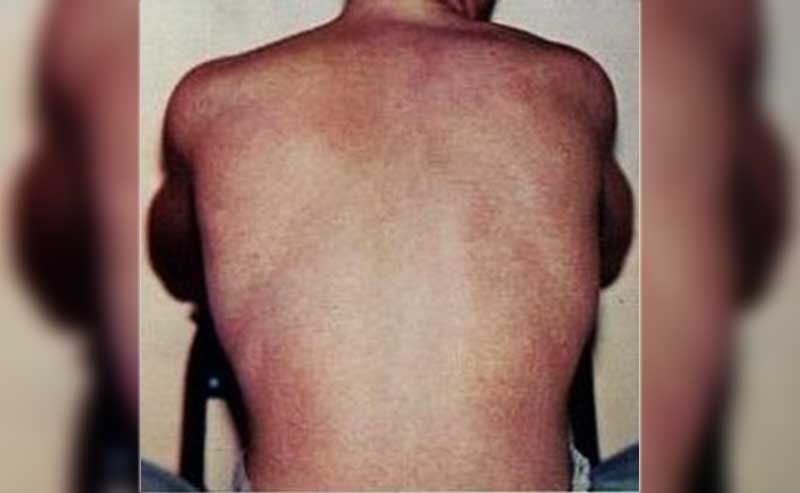
Dengue (Photo – army.mil)
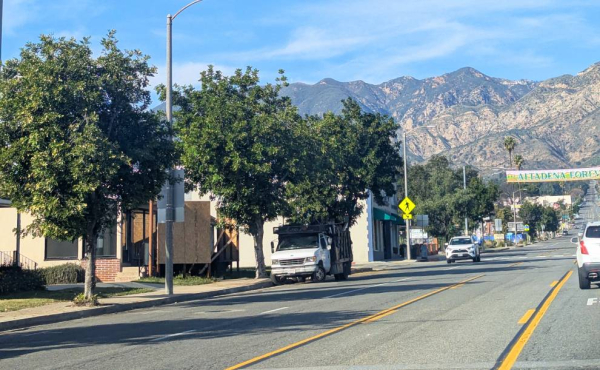
The Los Angeles County Department of Public Health is investigating the first locally acquired case of dengue for the 2025 mosquito season. The case involves a resident of the San Gabriel Valley who reported no travel to regions where dengue is common, signaling local mosquito-borne transmission.
By News Desk
The individual began experiencing symptoms in late September and is currently recovering. This case follows a notable increase in locally acquired dengue in LA County during 2024, when 14 such cases were reported, an unprecedented development for an area without prior mosquito-borne dengue transmission.
Dengue is primarily spread through the bite of an infected Aedes mosquito. Symptoms typically appear 5 to 7 days after a bite and can include high fever, severe headache, eye pain, joint and muscle pain, rash, and mild bleeding. In severe cases, dengue can cause shock, heavy bleeding, and organ failure, requiring immediate medical attention.
“Dengue is preventable, and community action is our strongest defense,” said Dr. Muntu Davis, Los Angeles County Health Officer. “Preventing mosquito bites and mosquito breeding is the best way to stop local transmission of dengue.”
Public Health encourages residents to take the following precautions:
-
Use mosquito repellent:
Choose EPA-registered repellents with DEET, picaridin, IR3535, 2-undecanone, or oil of lemon eucalyptus. -
Eliminate standing water:
Dump water from containers like flowerpots, birdbaths, and toys weekly. -
Keep mosquitoes out:
Ensure doors and windows have tight-fitting screens without holes or tears.
Healthcare providers are urged to consider dengue in patients with unexplained fever and to test and report suspected cases of mosquito-borne illnesses.
Public Health is coordinating with the San Gabriel Valley Mosquito and Vector Control District (SGVMVCD) to strengthen surveillance and mosquito reduction efforts. “In response to emerging disease risk, the District rapidly launched enhanced mosquito control operations across the community,” said Jason Farned, SGVMVCD District Manager. “Teams are actively conducting surveillance, eliminating breeding sources, and engaging residents to reduce the risk of further transmission.”
Residents noticing persistent mosquito problems are encouraged to call 2-1-1 or contact their local mosquito control district for assistance.
While the risk of widespread dengue transmission remains low in LA County, officials stress that continued public vigilance and mosquito prevention are key to stopping the virus from gaining a stronger foothold locally.












Leave a Reply