






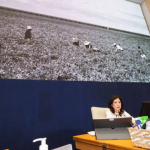


Metropolitan Water District (Photo – watereducation.org)
The budget of the Metropolitan Water District includes 8.5% annual rate increases over the next two years, and anticipates a small property tax increase.
By News Desk
Metropolitan Water District’s Board of Directors voted on April 9, 2024 to adopt a two-year budget that will allow the agency to continue delivering safe, reliable water supplies to Southern California, while managing challenges brought by climate change and rising costs due to inflation.
To ensure the continued sustainability of Metropolitan’s water system, the $2.4 billion annual budget includes rate increases of 8.5% on Jan. 1, 2025 and Jan. 1, 2026, charged to its 26 member agencies. For treated water, the rate increase will be 11% in 2025 and 10% in 2026. It also anticipates a small increase to the voter-approved property tax Metropolitan levies, amounting to an average increase of $2-3 a month for the owner of a median value home.
To avoid raising rates further, the budget also includes significant cost containment measures, including reducing departmental expenditures across various categories. In addition, Metropolitan is pursuing additional revenues through state and federal grants.
Funding work to reliably provide water to Southern California
“We understand the impact rate increases can have on businesses and residents, so we have taken great steps to limit our increase as much as possible. But it is critical that we continue to fund investments and programs that bring safe water to our communities, with no one left behind,” Metropolitan General Manager Adel Hagekhalil said. “The difficult reality is, our costs have risen while revenues have dropped, so we need to take the fiscally responsible step of adjusting our rates.”
Hagekhalil explained that additional revenues are necessary because of low water sales. In addition, Metropolitan’s expenses have increased as inflation has driven up commodity prices, labor and energy costs. Further, Metropolitan is facing the need to fully recover costs and maintain minimum reserves for unanticipated expenses, after limiting rate increases in recent years.
While the budget continues to fund ongoing environmental planning work for Metropolitan’s Pure Water Southern California regional recycled water program and the state’s Delta Conveyance Project, it does not commit long-term funding to the construction of either project. Metropolitan will consider the future of those projects, and other large-scale investments in new local supplies, storage, conservation and conveyance, through its Climate Adaptation Master Plan for Water process.
“Metropolitan is in a transformational period, facing critical decisions on which long-term projects to invest in to help our region adapt to climate change. CAMP4Water will provide a framework to help guide these strategic decisions,” Metropolitan board Chair Adán Ortega, Jr. said. “At the same time, we need to rethink our business model, so we can fund these major investments.”
“As we embark on these major changes, this budget provides us the fiscal stability we need for the next two years,” Ortega added. “The budget dovetails with the new business model process to ensure the means for resilient infrastructure investment for climate adaptation and to address inequities such as the treatment surcharge.”
Property taxes have been collected for decades to fund Metropolitan’s State Water Project costs, as approved by voters. The last time Metropolitan raised its ad valorem property tax rate was 1990. Since then, it has steadily decreased to 0.0035%. The adopted budget assumes the board will increase the rate to 0.007% in August.
In addition to providing a more stable revenue stream, increasing property tax revenues could allow the board to lower the rate increase from what was initially proposed.











Leave a Reply