








HEALTH TALK

St. John’s Wort
St. John’s wort is obtained from the flowering tops of the perennial plant Hypericum perforatum. This plant is endemic to Europe and Asia.
By H. S. Nemr
Chemical components and actions
The chemical composition of the herbal extract is related to the harvesting, drying, processing, and storage of the plant material. The biological activity is probably attributed to several compounds including naphthodianthrones (Hypericin), flavonoids (Hyperin), biflavonoids (Amenotoflavone), and phloroglucinols.
Actions
The exact mechanism of antidepressant effect has not been determined. Early studies showed that Hypericin may inhibit type A, and to a lesser extent, type B MAO. High doses of the herbal extract can affect serotonin reuptake in vitro.
Other demonstrated biological activities include inhibition of stress induced increased corticotrophin-releasing hormone.
Therapeutic and reported folk uses

St. John’s Wort, nature’s anti-depressant.
St. John’s wort has been used in folk medicine to manage mild depression, insomnia, insect stings, and as a wound healing agent.
Although most clinical trials evaluating the efficacy of St. John’s wort contained design flaws, they collectively indicated that this herb may be valuable for treating depressive disorders. Additional well- designed trials are needed these claims. The USP expert advisory panel has determined that there is insufficient evidence in the scientific literature to support the use of St. John’s wort in the management of mild to moderate depression.
Dosage
Standardized extract preparation: 1 tablet TID.
Interactions
Specific medication examples reported to interact with St John’s wort include: Antirejection medications, HIV-1 protease inhibitors, oral contraceptives, cardiac glycosides, other antidepressants, sedatives (including narcotics), sibutramine, migraine medications, lithium, anesthetic agents, photosensitizers, thyroid medications, antifungal agents, calcium channel blockers, histamine antagonists, HMG-CoA reductase inhibitors.
St John’s wort must not be used in combination with any prescription medication unless reviewed in advance by a healthcare provider.
Adverse reactions and precautions
CNS: Restlessness, sleep disturbances, mania
EENT: Dry mouth
GI: constipation, GI distress
Skin: Phototoxicity
The use of St. John’s wort should be avoided in children, pregnant, and breastfeeding females.
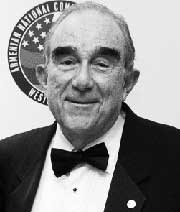
H.S. Nemr is a graduate of BAU pharmacy school. He is currently a medication safety officer at Johns Hopkins Aramco Healthcare system.
References
- Professional’s Handbook of Complementary Alternative Medicines, Springhouse, 2nd edition.
- Lexicomp’s Natural Products Database.












Leave a Reply