
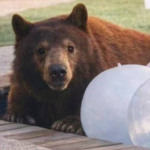




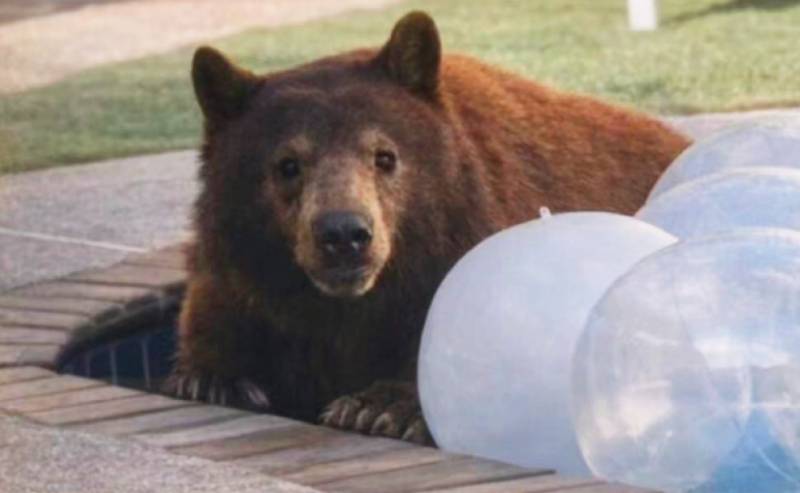
Blondie the bear (Photo – change.org)
The recent euthanization of Blondie, a well‑known bear that frequently wandered through Monrovia neighborhoods, has prompted concern and frustration among local residents and elected officials.
By News Desk
Assemblymember John Harabedian (D‑Pasadena) issued a statement expressing deep disappointment over how the situation was handled and urging stronger coordination between state wildlife authorities and the communities they serve.
Harabedian described the loss as a painful moment for the region, where encounters with wildlife are a familiar part of daily life. He emphasized that the emotional impact was compounded by what many saw as insufficient communication from the California Department of Fish and Wildlife (CDFW). According to Harabedian, residents and local leaders were left uncertain about whether non‑lethal alternatives had been fully considered before the decision was made.
“The decision to euthanize Blondie is heartbreaking for our community,” Harabedian said. “Living in the San Gabriel Valley means coexisting with wildlife, and losing a bear in this way is always painful. What made this situation even harder was the lack of clear communication from the California Department of Fish and Wildlife. Local leaders and residents were left questioning whether all non‑lethal options were explored and how future encounters might be prevented. CDFW needs to do better at communicating with both state and local governments so that decisions impacting communities are made transparently and collaboratively.”
He also underscored the need for long‑term strategies that reduce conflict between humans and wildlife. Harabedian pointed to AB 1024, legislation he introduced to create a regional plan for managing human‑wildlife interactions in the San Gabriel Valley. The bill aims to ensure residents receive timely information and guidance before situations escalate.
“We need a thoughtful approach that balances public safety with education, prevention, and transparency,” he said. “Conflicts with wildlife usually develop gradually, so awareness is key. Simple actions like securing trash and removing food sources can prevent bears from becoming habituated. Acting early protects both our communities and the wildlife that belongs here.”
Local wildlife advocates echoed the message, noting that everyday habits can significantly influence bear behavior. Securing garbage, removing bird feeders during periods of bear activity, and supervising pets outdoors are among the steps that help keep bears wary of human spaces. When bears become too comfortable around people, the risk of dangerous encounters increases, sometimes leading to tragic outcomes like Blondie’s.
In a related development, the orphaned Monrovia bear cubs were moved to the San Diego Wildlife Center after their mother was euthanized.












Leave a Reply