








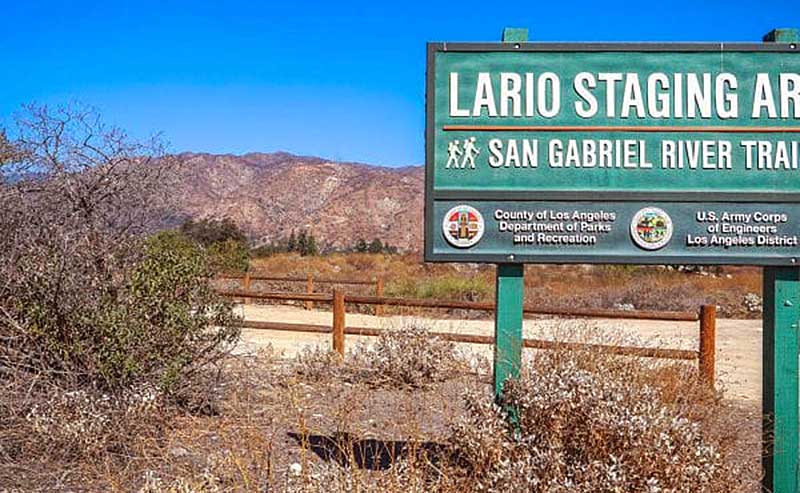
Lario Park (Photo – .lacounty.gov)
A coalition of local cities has strongly opposed the U.S. Environmental Protection Agency’s (EPA) decision to designate unincorporated Lario Park as a site for the collection and processing of hazardous debris from the Eaton Fire, including potentially dangerous lithium electric vehicle batteries.
By John Boucher
On January 23, 2025, the EPA announced that Lario Park would be used for the collection, processing, and disposal of hazardous materials left behind by the devastating Eaton Fire. The operation will involve daily transportation of fire debris, including hazardous waste, from the affected area to Lario Park, where it will be processed and then shipped to proper disposal facilities. The EPA has assured the public that rigorous safety measures will be implemented, such as air monitoring, dust suppression, and spill control, to minimize potential health and environmental risks.
Serious concerns
However, the cities of Azusa, Irwindale, Baldwin Park, and Duarte have raised serious concerns about the potential impact on their communities. They claim they were not notified in advance of the EPA’s plan and were not given an opportunity to voice their concerns about the decision to place the hazardous waste processing site near their borders.
“We are extremely disappointed with the lack of respect to our local residents for not being notified of the EPA’s clean up efforts and having toxic materials transported to our backyards,” said a joint statement from the cities.
The four cities have united in opposition to the project and planned to formally challenge the EPA’s decision.
Town Hall meeting
As part of their campaign, the cities worked with Senator Rubio’s office to organize a town hall in Duarte on Wednesday night. Over 750 people attended the tense public meeting, where local residents voiced anger over the EPA’s decision to process toxic debris from the Eaton Fire at Lario Park, at times disrupting EPA officials’ explanations with boos and shouts. EPA officials tried to justify the site choice by highlighting its control by the U.S. Army Corps of Engineers.
Duarte Councilmember Margaret Finley raised concerns about the safety of transporting the toxic materials on stake-bed trucks, fearing the slow-moving vehicles could cause traffic issues or accidents. Many residents called for assurances that the operation would prioritize safety.
The EPA has stated it expects to complete processing at Lario Park within 30 days, but residents are doubtful the timeline is realistic, questioning whether it is feasible. The agency has not ruled out the possibility of extending the operation, depending on the volume of debris still requiring processing.












Leave a Reply