

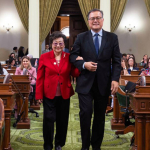
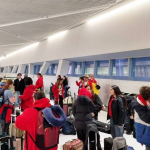

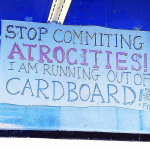

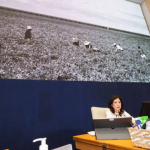


The Eaton Fire Survivors Network remembrance, Jan. 7, 2026 (Photo – Brian Biery)
One year after the Eaton Fire tore through communities across Altadena, Pasadena, and surrounding areas, local leaders, schools, nonprofits, and residents are pausing to remember what was lost, honor resilience, and acknowledge that recovery remains far from complete.
By News Desk
The January 2025 Eaton and Palisades firestorms destroyed more than 16,000 structures, burned over 37,000 acres, and claimed 31 lives across Los Angeles County, forcing more than 200,000 people to evacuate. While rebuilding is underway for some, many families and businesses continue to face long-term challenges related to housing, insurance disputes, environmental cleanup, and financial stability.
Remembering Loss, Honoring Resilience
School districts across the region marked the anniversary by recognizing both the shared trauma and enduring strength of their communities. Pasadena Unified School District Superintendent Elizabeth Blanco emphasized the importance of honoring the moment while continuing to support students and families, calling the anniversary a reminder of the power of community and collective care.
Similarly, San Gabriel Unified School District acknowledged families whose lives were forever changed, while highlighting the compassion shown by first responders, educators, volunteers, and students during and after the disaster. District leaders underscored that the spirit of kindness that emerged during the crisis continues to define the community.
City officials echoed those sentiments. The City of Pasadena honored the courage of first responders who battled extreme wildfire conditions, as well as the resilience of survivors and volunteers. Leaders noted that while progress has been made, healing takes time and requires sustained collective effort.
Recovery Is Uneven, and Ongoing
Nonprofit leaders emphasized that the emotional and material weight of recovery persists. The Pasadena Community Foundation reflected on a year marked by grief alongside quiet acts of strength, noting that many residents remain on a long and difficult path forward. The foundation reaffirmed its commitment to an equitable, community-centered recovery process that respects each person’s experience.
Senator Sasha Renée Pérez (D-Pasadena) honored the 19 community members who lost their lives and reflected on the lasting impact the disaster had on Altadena, where thousands of residents lost homes, possessions, and cherished community spaces. While noting signs of hope such as families returning to rebuild, Pérez emphasized that many survivors continue to face challenges with insurance and delayed disaster aid, calling for a more equitable recovery. She highlighted the resilience of the community and urged California to use the lessons of the past year to guide rebuilding efforts and create a safer future for all.
Assemblymember John Harabedian said: “Though we are still on a journey to rebuilding our communities, Altadena remains unbroken. I am proud of the work we have done for the families in Altadena, like providing mortgage forbearance and interest on disaster payouts to survivors, but there is still more to be done. This year, I will continue to work on legislation that leads us to recovery and find answers to what happened that night through my audit of the LA fires response. My office is open to listen and support survivors.”
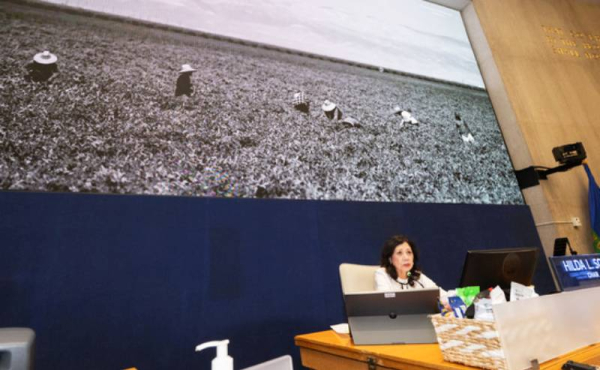
Los Angeles County Chair Hilda L. Solis marked the one-year anniversary of the January 2025 wildfires by ordering County flags flown at half-staff. She reflected on the lives lost and widespread community impacts, highlighted the ongoing recovery efforts through the LA County Forward Blueprint for Rebuilding, and noted improvements in emergency preparedness. Solis also recounted her direct involvement in relief efforts, including establishing evacuation sites, distributing essential supplies, and supporting rent relief programs. She emphasized the resilience of residents and the County’s commitment to helping survivors rebuild and strengthening communities for the future.
Los Angeles County Supervisor Kathryn Barger acknowledged that anniversaries can reopen wounds, particularly for survivors still navigating insurance challenges, rebuilding delays, and concerns about contamination. Over the past year, the County has delivered more than $21 million in household relief grants to Altadena families, along with millions more for small businesses, nonprofits, and displaced workers. Still, Barger stressed that resilience should not be mistaken for acceptance of delays, and pledged continued advocacy for fair insurance practices, federal aid, and emergency alert system reforms.
Housing Pressures and Community Concerns
Housing remains one of the most pressing issues one year later. Data shared by the Altadena Not For Sale group shows that since the fire, 336 properties have been sold, with approximately 60 percent purchased by investors, corporate landlords, LLCs, or private equity entities. Advocates say the trend raises concerns about displacement and the long-term character of the community, particularly as only a small fraction of properties have gone to nonprofit community land trusts.
Calls for Federal Action
On the anniversary, Reps. Judy Chu, Brad Sherman, and George Whitesides joined members of the California congressional delegation to honor lives lost and renew calls for immediate federal disaster funding. Lawmakers urged swift approval of California’s supplemental disaster aid request to support rebuilding homes and community institutions, restore infrastructure, and strengthen long-term wildfire resilience.
Healing Through Education, Care, and Connection
As part of broader healing efforts, the Pasadena Unified School District partnered with Teamsters Local Union 986 to host student readings of Home: A Story of Resilience by author Carrie Barnes at schools across the district. The events focused on themes of resilience, healing, and the meaning of home, messages educators say remain deeply relevant for students one year after the fire.
Pasadena Humane also reflected on its role during and after the disaster. The organization provided emergency shelter, medical care, and reunification services for more than 1,500 animals, while continuing long-term recovery work and disaster preparedness planning. Leaders emphasized that recovery does not end when the flames are extinguished, and pledged ongoing support for both people and animals affected by future emergencies.
Looking Forward
Across statements from public agencies, nonprofits, schools, and advocates, a common message emerged: the Eaton Fire reshaped these communities, and while resilience is evident, recovery is still unfolding.
As one year passes, remembrance and resolve continue to go hand in hand, honoring what was lost, while pressing forward toward a more resilient future.
This article will remain live, with reflections added throughout the day as they become available.











Leave a Reply