





The Rose Bowl (Photo – ColoradoBlvd.net)
In a step toward making the 2028 Olympic and Paralympic Games more accessible and inclusive for all residents, the Metro Board of Directors on Thursday, May 22, approved a motion to create community-based fan zones and expand transportation access across Los Angeles County.
By News Desk
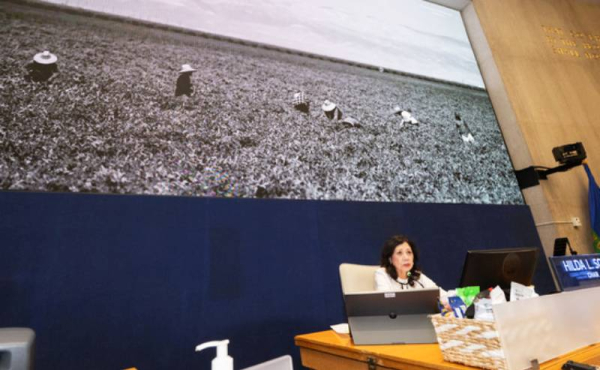
The motion was introduced by Metro Board Director, Los Angeles County Chair Pro Tem, and First District Supervisor Hilda L. Solis, and co-authored by Directors Jackie Dupont-Walker and Janice Hahn. It calls for the development of fan zone activations and improved multimodal transit options that will allow residents from every part of the county to take part in the excitement of the Games—even without event tickets.
“We have an opportunity and a responsibility to make the 2028 Olympic and Paralympic Games a celebration for all Angelenos, not just those with tickets,” said Chair Pro Tem Solis. “By bringing the Games into local neighborhoods through culturally relevant fan zones and strengthening our transit system, we can ensure every community shares in the excitement, pride, and legacy of this global event.”
Solis emphasized the importance of inclusive programming and transportation, noting that the diversity and vast geography of Los Angeles County should be reflected in Olympic-related festivities. Under her leadership, the San Gabriel Valley has already secured three Olympic venues: the Pomona Fairplex, Whittier Narrows, and the historic Rose Bowl in Pasadena—positioning the region as a key hub for the 2028 Games.
The motion directs Metro to collaborate with county departments, local cities, community-based organizations, and other stakeholders to identify and develop fan zones. These zones will offer free access for residents and tourists to gather, watch competitions, enjoy cultural programming, and celebrate together. Each fan zone will be located near high-quality, high-frequency public transit to ensure accessibility for all.
To prevent unnecessary competition between communities, the motion also calls for coordinated planning among host neighborhoods, promoting a unified, county-wide approach to Olympic engagement.
Drawing inspiration from the 2024 Paris Olympics—where public fan zones are central to community participation—and the upcoming 2026 FIFA World Cup, Solis suggested Los Angeles could use these global events as models to test and refine similar experiences ahead of 2028.
Metro staff are expected to report back within 120 days with a list of proposed fan zone locations, community engagement strategies, and plans to align transportation infrastructure with Olympic activities.
A similar motion is scheduled to go before the Los Angeles County Board of Supervisors on June 3, reinforcing the region’s commitment to ensuring the Games are accessible, equitable, and reflective of all communities across Los Angeles County.








Leave a Reply