








HEALTH TALK
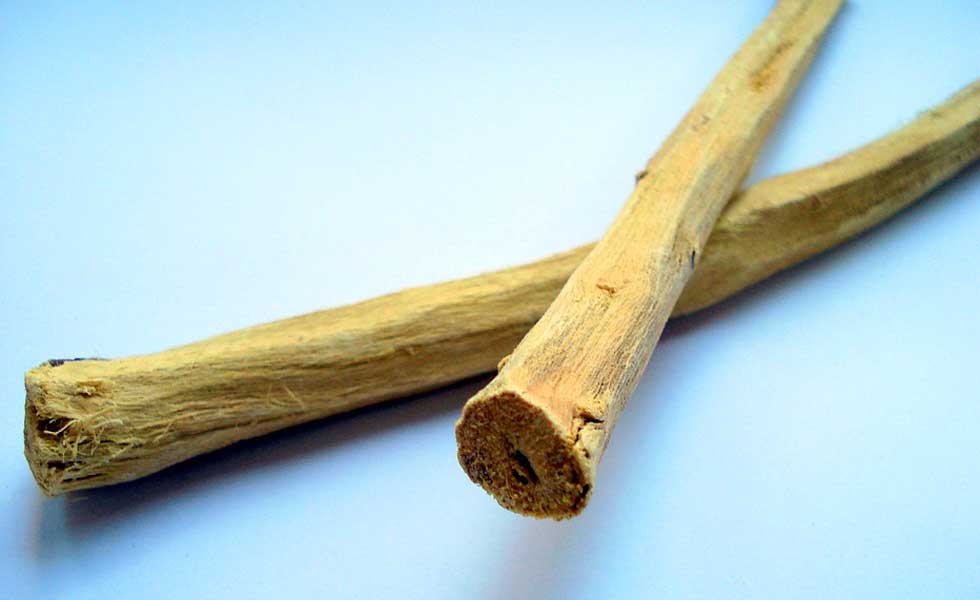
Licorice (Photo – pixabay.com).
Most medicinal Licorice products use the roots and dried rhizomes of Glycyrrhiza glabra, a perennial herb native to the Mediterranean but widely cultivated throughout the world.
By H. S. Nemr
Source and chemical components
The rhizomes contain 5% to 9% glycyrrhizin, a glycoside that is 50 times sweeter than sucrose.
Actions
Glycyrrhizin is hydrolyzed by intestinal flora into the pharmacologically active form glycyrrhetic acid. This substance potentiates the effects of endogenous steroids.
Glycyrrhizin and glycyrrhetic acid have mild anti-inflammatory effects. They both stimulate gastric mucous synthesis through effects on prostaglandins which could explain their ulcer healing properties. Licorice extract also has effective demulcent and expectorant properties.
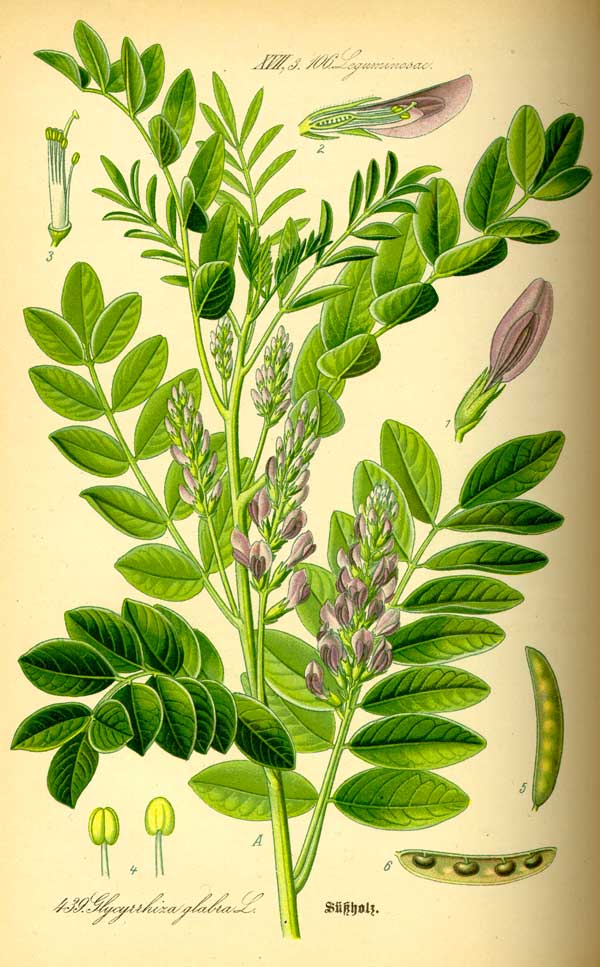
Glycyrrhiza glabra, known as Liquorice, or licorice (en.wikipedia.org).
Therapeutic and reported folk uses
Licorice is used mainly as a sweetening agent for bitter drugs, food, tobacco products, and toothpastes. It is added to some cough and cold preparations for its expectorant and demulcent effects.
Licorice was evaluated as a treatment for Addison’s disease and was found to enhance mineralocoticoid activity but could not mimic it when adrenal activity was absent.
Dosage
For peptic ulcer: 200 to 600 mg PO for a period of 6 weeks.
A tea can be prepared using 1-5 g of crude licorice to half a cup (120 ml) of boiling water.
Adverse reactions and precautions
CV: Heart Failure, ventricular tachycardia.
Metabolic: Hypokalemia.
Endocrine: Reduced serum testosterone levels.
Interactions and precautions
Licorice is contraindicated in patients with hypertension, arrhythmias, cardiovascular, renal, or hepatic disease. It should be avoided during pregnancy or breastfeeding.
H.S. Nemr is a graduate of BAU pharmacy school. He is currently a medication safety officer at Johns Hopkins Aramco Healthcare system.
References
- Professional’s Handbook of Complementary Alternative Medicines, Springhouse, 2nd edition.
- University of Maryland Medical Center, Complementary and Alternative Medicine Index.












Leave a Reply