








HEALTH TALK

Ginkgo
Ginkgo is the dried leaf extract of Ginkgo biloba. It is native in the United States, southern France, China, and Korea.
By H. S. Nemr
Chemical components and actions
The medical benefits of Ginkgo biloba extract are attributed primarily to two groups of active constituents: the ginkgo flavone glycosides and the terpene lactones. Ginkgo flavone glycosides are primarily responsible for the antioxidant activity and may mildly inhibit platelet aggregation.
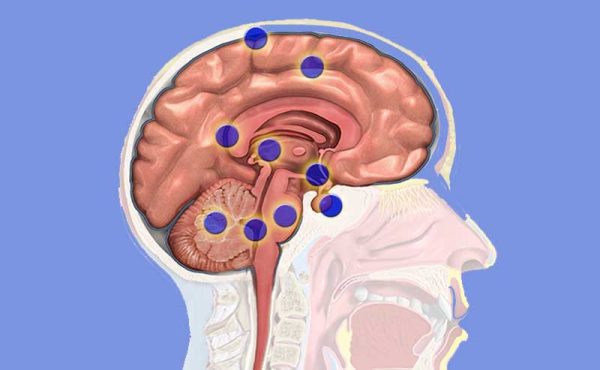
The terpene lactones, known as ginkgolides and bilobalide are associated with increasing circulation to the brain and may exert a protective action on nerve cells.
Therapeutic and reported folk uses:

Ginkgo leaves in autumn
The US National Institute of Health classifies Ginkgo as grade A (scientific evidence supports the use) in improving symptoms of Claudication and Dementia (multi-infarct and Alzheimer’s type). Ginkgo is also reported to improve the symptoms of cerebral insufficiency. Ginkgo extract is utilized in folk therapy to control symptoms of headache, tinnitus, vertigo, dizziness, mood disturbances, and hearing disorders.
Dosage
Most clinical trials have used between 120 and 240 mg of Ginkgo biloba extract (standardized to contain 6% terpene lactones and 24% flavone glycosides) per day, generally divided into two or three doses.
Adverse reactions
Common side effects include: headache, nausea, and intestinal complaints. Rare cases of bleeding, muscle weakness, loss of muscle tone, and restlessness have been reported.
Interactions / Precautions
The use of Ginkgo has been associated with several drug interactions especially with NSAID’s, metformin, aspirin, warfarin, heparin, ticlopidine, thiazide diuretics, and other medications and herbal supplements.
Ginkgo may affect insulin and blood sugar levels. Caution is advised in diabetic patients.
Use of ginkgo is not recommended during pregnancy and breastfeeding.
H.S. Nemr is a graduate of BAU pharmacy school. He is currently a medication safety officer at Johns Hopkins Aramco Healthcare system.
References
- Professional’s Handbook of Complementary Alternative Medicines, Springhouse, 2nd edition.
- Natural Medicines Comprehensive Database www.naturaldatabase.com
- Medline Plus, National institute of health http://www.nlm.nih.gov/medlineplus.












Leave a Reply