








HEALTH TALK
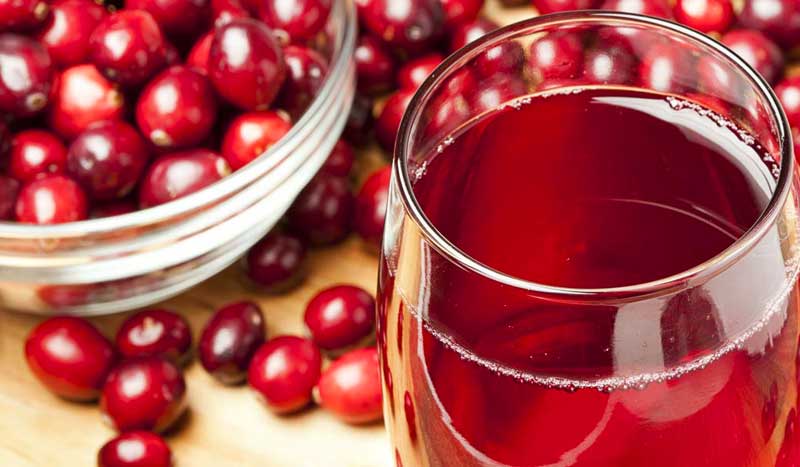 Cranberries are the fruits of evergreen shrubs native to various climates and regions in northern America.
By H. S. Nemr
Source and chemical components
Cranberry juice contains Benzoic, Citric, Malic and other Quinic acids that break down to form hippuric acid. The juice also contains Oligosaccharides, Anthocyanin, and Proanthocyanidine.
Actions
Animal studies have demonstrated a possible ability for ability for Cranberry juice components to irreversibly interfere with bacterial adherence to uro-epithelial surfaces. In vitro studies using extracts of Cranberry fruits have shown probable anti-tumorigenic activity and possible inhibition of LDL oxidation.
Despite the theoretical evidence for Cranberry in some clinical trials, well designed trials are still lacking to support its use for the prevention or management of urinary tract infections.
Therapeutic uses/Reported folk uses
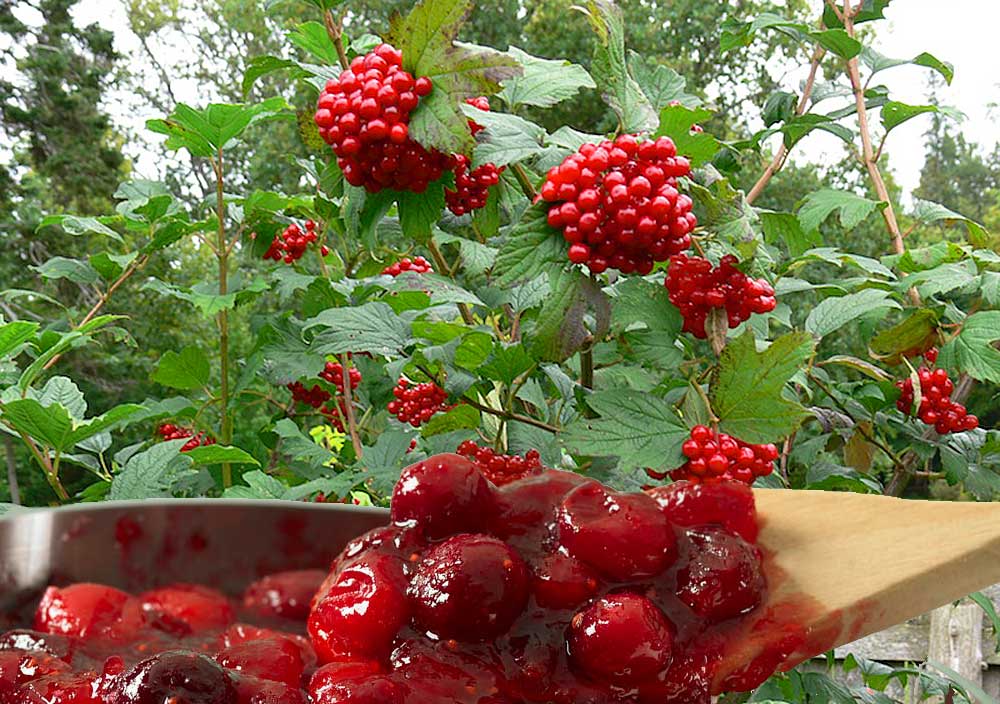 Cranberry juice has been proposed as a non antibiotic therapy for prevention or management of urinary tract infections.
Dosage
Juice: 300-480 ml daily.
Concentrate capsules: 2 capsules daily.
Adverse reactions and precautions
GI: Diarrhea (if excessive quantities are ingested)
Cranberry supplements should be used carefully in patients with benign prostatic hyperplasia or urinary obstruction.
Safety has not been determined in pregnancy and breastfeeding, although cranberry juice is believed to be safe in amounts commonly found in foods.
Interactions
Cranberry supplements and juice can enhance the elimination of certain medications by changing the urine pH.
- Some studies have shown that taking the blood thinning medication Warfarin with Cranberry products at the same time can elevate the INR, which could increase the risk of bleeding.
- Alzheimer’s drugs, anthelmintics, antifungals, cholesterol-lowering drugs, antineoplastics, antiprotozoals, antiviral agents, clarithromycin, drugs broken down by the liver, diuretics, salicylates like aspirin, and drugs eliminated by the kidneys may interact with Cranberry products.
H.S. Nemr is a graduate of BAU pharmacy school. He is currently a medication safety officer at Johns Hopkins Aramco Healthcare system.
References
- Professional’s Handbook of Complementary Alternative Medicines, Springhouse, 2nd edition.
- Medline Plus, National institute of health http://www.nlm.nih.gov/medlineplus
- Lexicomp’s Natural Products Database.













Leave a Reply