









A plastic bag floating in the harbor (Photo – Eva Cicoria)
California is ushering in the new year with a wide-ranging set of legislative changes following the approval of hundreds of bills by state lawmakers and Gov. Gavin Newsom. With a focus on animal welfare, tenant protections, consumer rights, and environmental responsibility, many of these new laws will begin taking effect in 2026, marking significant policy shifts across the state.
By Rena Kurlander
Below is a breakdown of some of the most notable laws that will soon impact California residents and businesses.
Say Goodbye to Cat Declawing
Beginning January 1, California will ban the practice of cat declawing, becoming the largest state in the nation to do so. Assembly Bill 867 prohibits the amputation of a cat’s claws, a procedure that involves removing the first bone of each toe or severing tendons to prevent claw growth. The law includes exceptions for medically necessary procedures to treat illness or injury. Supporters say the measure protects cats from unnecessary pain and represents a major milestone for animal welfare advocacy.
Landlords Required to Provide Appliances
To improve living conditions for renters, Assembly Bill 628 will require landlords to provide working stoves and refrigerators in all rental units. Starting January 1, landlords will no longer be allowed to charge extra for these basic kitchen appliances, ensuring renters have access to essential amenities statewide.
Gender-Neutral Bathrooms in Public Schools
Starting in July 2026, all California public school campuses must provide at least one gender-neutral restroom. Senate Bill 760 aims to make schools more inclusive for students of all gender identities by ensuring access to safe, non-discriminatory facilities. Although the bill passed in 2023, its implementation was delayed due to federal policy changes. Schools will now be required to comply statewide.
Updated Plastic Bag Ban
California is strengthening its fight against plastic waste with an expanded ban on plastic shopping bags. Beginning January 1, grocery stores will no longer be allowed to offer plastic bags of any kind, including the thicker “reusable” plastic bags permitted under a 2014 law. Senate Bill 1053 closes that loophole and requires stores to provide recycled paper bags, encouraging customers to bring their own bags or pay a small fee for sustainable alternatives.
Food Delivery Transparency and Refunds
Assembly Bill 578 adds new consumer protections for food delivery services such as Uber Eats and DoorDash. Platforms will be required to issue full refunds for orders that are missing, incorrect, or not delivered. If automated systems fail to resolve a problem, customers must be given access to a human customer service representative. The law also mandates greater transparency by requiring an itemized breakdown of driver pay, tips, and bonuses.
No More Loud Ads on Streaming Services
Starting in July, streaming platforms will be prohibited from playing advertisements at a higher volume than the programs they accompany. The rule mirrors long-standing regulations for traditional television broadcasts and aims to prevent disruptive, overly loud commercials during streaming content.
Parking Ticket Relief for Those in Need
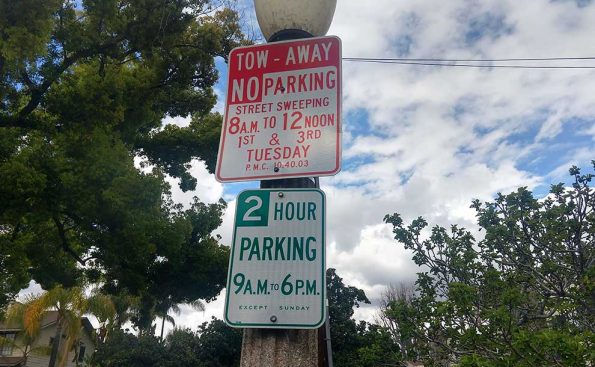
Assembly Bill 1299 allows people experiencing homelessness or financial hardship to request reduced or waived parking fines. Eligible individuals may also apply for payment plans, providing relief from mounting penalties and promoting more equitable enforcement practices.
Ban on Face Coverings for Police and ICE Agents
Senate Bill 627 restricts most law enforcement officers from wearing face coverings while performing official duties, aiming to increase transparency and accountability. The law was passed amid controversy over masked federal immigration agents conducting arrests in Southern California. While the U.S. Department of Homeland Security has declined to comply and has challenged the law in court, state officials say the measure represents a significant step toward public accountability in policing.
The new laws reflect a broad range of policy changes approved during the most recent legislative session. As their effective dates approach, state agencies, businesses, and residents will need to prepare for compliance with the updated requirements.











Leave a Reply